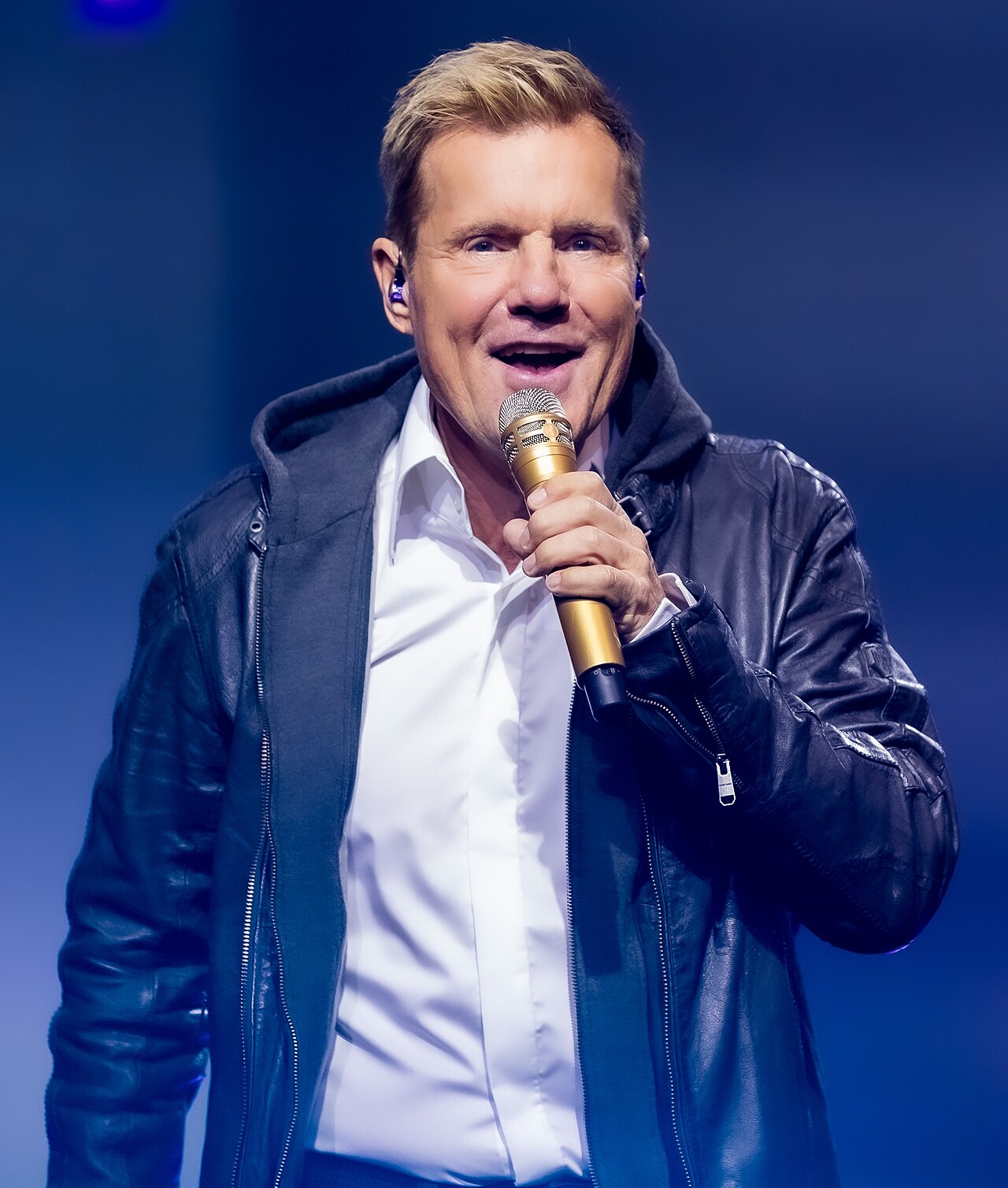
Dieter Bohlen Biography: Birth, Career Milestones, and Private Life
Dieter Bohlen stands as an undeniable titan of German popular culture, a multifaceted personality who has shaped the country's music and television landscape for decades. From his beginnings as a prolific songwriter and producer to his global stardom with Modern Talking and his iconic role as a TV judge, Bohlen's journey is one of relentless ambition, sharp wit, and an unparalleled knack for entertainment. Understanding the man behind the hits begins with tracing his roots, specifically addressing the question of where was
Dieter Bohlen geboren, and the formative experiences that forged his remarkable career.
Early Life and Formative Years: The Roots of a Poptitan
Dieter Günter Bohlen was
geboren on February 7, 1954, in Berne, a quaint municipality nestled in the German state of Niedersachsen. This birthplace, a detail often sought by fans, marks the initial chapter of a life destined for the limelight. His zodiac sign, Aquarius, is often associated with independence and a distinctive personality, traits that would certainly define his future. Bohlen's early years were spent on a farm in Ostfriesland, surrounded by a close-knit family including his parents, Hans (born 1929) and Edith (born 1936), and his maternal grandmother, who hailed from Königsberg. He also shared his childhood with his younger brother, Uwe. This rural upbringing, followed by the family’s move to Eversten (Oldenburg), provided a foundational grounding before his rise to fame.
An interesting footnote to his early life is Bohlen’s decision to formally drop his middle name, Günter, which he later expressed dissatisfaction with. This small act of personal reinvention hints at a deeper desire to control his public identity, a characteristic that would become central to his enduring appeal. During his youth, Bohlen also explored political ideologies, briefly joining the Socialist German Worker Youth and later the Communist Party of Germany. While he no longer aligns with any political party, these early affiliations offer a glimpse into a curious and engaged young mind, perhaps a surprising detail for those familiar only with his later, more outspoken persona.
Education played a part in his trajectory, albeit initially in a field far removed from music. After successfully completing his Abitur at the Wirtschaftsgymnasium der Berufsbildenden Schulen in Oldenburg-Haarentor, Bohlen moved to Göttingen. Fulfilling his parents' wishes, he enrolled at the Georg-August-Universität to study Business Administration, a degree he successfully completed in 1978. This academic background in business, though not directly in music, undoubtedly equipped him with a keen understanding of the industry's commercial aspects, a skill that would prove invaluable in his future endeavors.
The Meteoric Rise: Modern Talking and Solo Production Prowess
While his business degree provided a solid foundation, Dieter Bohlen’s true calling lay in music. The 1980s heralded his international breakthrough as one half of the iconic pop duo Modern Talking, alongside vocalist Thomas Anders. Their infectious synth-pop sound and catchy melodies captivated audiences worldwide. Hits like "You're My Heart, You're My Soul" and "Cheri Cheri Lady" became global anthems, propelling Modern Talking to stratospheric success. The duo sold an astonishing 120 million records worldwide, cementing their status as one of the most successful pop duos in history. Their music, characterized by its distinct sound and singalong choruses, left an indelible mark on the decade's music scene. For a deeper dive into his journey from his roots to global success, explore
Dieter Bohlen: From Berne's Birthplace to Global Pop Success.
Following Modern Talking's initial split in 1987, Bohlen didn't rest on his laurels. He seamlessly transitioned into a highly influential role as a music producer and songwriter. His astute understanding of pop sensibilities led him to collaborate with and pen hits for numerous artists, including international stars like Bonnie Tyler and German pop sensation C.C. Catch. His production company became a powerhouse, making him one of the most sought-after and influential music producers in Germany. This period underscored his versatility and confirmed that his talent extended far beyond performing, solidifying his reputation as a true music impresario.
From Music Charts to Television Screens: The DSDS Phenomenon
As the new millennium dawned, Dieter Bohlen embarked on a new, equally impactful chapter of his career: television. Since 2002, he has been synonymous with "Deutschland sucht den Superstar" (DSDS), the German equivalent of "Pop Idol." As a long-standing judge, Bohlen quickly became known for his candid, often sharp, and unfiltered critiques. His distinctive judging style, a blend of tough love and undeniable showmanship, made him a captivating figure and a major draw for the show. He was also a judge on "Das Supertalent" for many years.
His presence on DSDS became so integral that his temporary departure from the jury in 2022 sent shockwaves through the show's fanbase and significantly impacted its ratings. The subsequent ratings slump led RTL, the broadcasting network, to announce the show's impending cancellation after its 20th season. However, the immense public demand and clear dip in viewership underscored Bohlen's irreplaceable role. Ultimately, RTL and the "Poptitan" reached an agreement, leading to his triumphant return, effectively "saving" DSDS and demonstrating his unparalleled influence on German television. His journey through music and television is further detailed in
Dieter Bohlen's Journey: Modern Talking, DSDS, and Poptitan Legacy. Bohlen's ability to command attention, whether through chart-topping music or outspoken commentary, highlights the power of a strong personal brand and adaptability in the ever-evolving entertainment landscape.
Beyond the Spotlight: Dieter Bohlen's Private Life and Enduring Appeal
While Dieter Bohlen’s professional life has been extensively documented, his private life has also frequently captured public attention. He has been married multiple times and is a father to five children. One of his most high-profile unions was a brief marriage to Verona Feldbusch (now Verona Pooth) in 1996. The couple tied the knot in Las Vegas, but their marriage famously lasted only about four weeks, becoming a subject of much media speculation. Following their divorce, a long period of estrangement, often referred to as an "ice age," ensued between them. It wasn't until 17 years later that the two publicly reconciled, demonstrating a mature approach to their shared past.
Currently, Bohlen shares his life with Carina Walz, with whom he has been in a long-term partnership for over 18 years, though they are not married. This enduring relationship highlights a quieter, more settled aspect of the often-flamboyant personality. Throughout his career, Bohlen has also penned several autobiographical books, which have predictably become bestsellers. These memoirs offer fans a deeper, more personal insight into his experiences, struggles, and triumphs, further cementing his connection with his audience and contributing to his enduring "Poptitan" mystique. His willingness to share aspects of his private world, coupled with his undeniable professional achievements, has cultivated a comprehensive public persona that few German celebrities can match.
The Enduring Legacy of an Entertainment Icon
Dieter Bohlen's career is a testament to extraordinary longevity and an uncanny ability to reinvent himself across different facets of the entertainment industry. From the exact moment
Dieter Bohlen geboren in 1954, his path seemed destined to leave a significant mark. His journey from a farm in Berne to the pinnacle of pop stardom and television celebrity serves as an inspiring example of sustained relevance.
His impact spans songwriting, production, performing, and television judging, demonstrating a multifaceted talent rarely seen in one individual. The "Poptitan" moniker isn't merely a nickname; it's an earned title reflecting his unwavering dominance in German pop culture. His ability to craft catchy tunes, identify talent, and deliver engaging television has kept him at the forefront for over four decades. Bohlen's enduring appeal lies not just in his achievements, but also in his unfiltered personality and his unwavering commitment to entertainment. He offers a compelling case study in building and maintaining a powerful personal brand in a highly competitive industry.
In conclusion, Dieter Bohlen's life story is a vibrant tapestry woven with musical genius, entrepreneurial spirit, and an inimitable public persona. From his humble beginnings in Berne to his global success with Modern Talking and his reign as a television icon, Bohlen has consistently proven his capacity to captivate and entertain. He remains an influential figure, a true legend whose legacy continues to shape the German entertainment landscape and inspire aspiring artists and entertainers alike.